Chapter 4: Develop your signature style (toolkit)

“Good artists copy; great artists steal.”
—Steve Jobs (stolen from Pablo Picasso)
Everybody gets a stamp. It can be based on a stereotype, physical appearance, the type of work they’re doing, or their personality. Sometimes it’s tough to get rid of a lousy nickname, but there’s something we can all do to help shape the narrative that defines us — having a signature style.
You might know Steve Jobs for the way he commanded the stage. Seth Godin is known for the way he tells stories and the way he writes. What is your signature style?
I’ve realized that it’s essential to have a toolkit, not only for a manager or a leader but also for every kind of information worker. When we observe and study success, we quickly realize it’s often doing the same thing repeated many times over; just as failure is making the same mistakes expecting a better outcome.
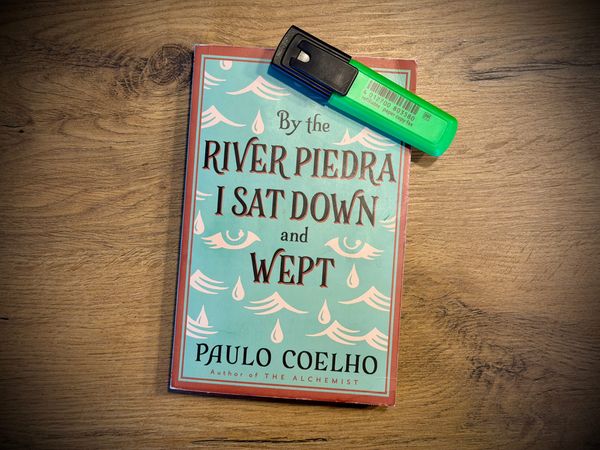
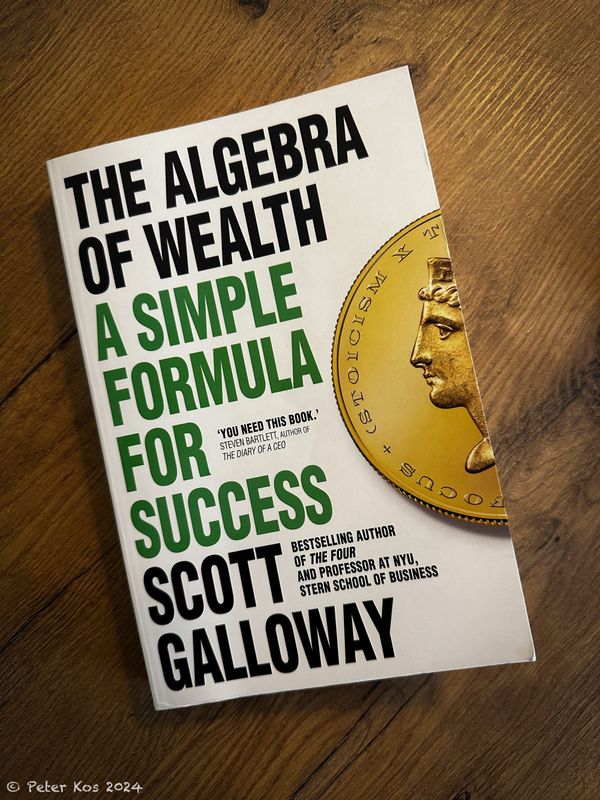
If we observe the best people around us, we can quickly identify their toolkits. It’s in the wording they use, the sports analogies, or the references to specific books (Sun Tzu, The Art of War), or certain philosophies — like stoicism. The growth mindset approach helps us realize that none of these are talents they were born with, but they’re skills they acquired over time. It’s an arsenal, and we can all build it. So why not be intentional about it?
What’s the purpose of having an arsenal? It helps us create discipline, rules, and non-negotiables. Seth Godin has published a blog post every day for over seventeen years in a row. He says that he doesn’t write because— or when inspiration hits, but he writes because it’s Tuesday. It’s easier to stick to discipline when we create rules and boundaries for ourselves. This way, we remove the friction of having to decide between the right way and the easy way.
It’s also easier to work with others once you have your set of rules. “I don’t do meetings on Friday afternoon” removes the need to apologize why you won’t get on that call, and when others know about it, they’ll accept the obstacle and work around it. Oh, and yes,— it’s a choice between being known as that guy who doesn’t do meetings on Friday afternoons versus being the person that burned out from overload. Your call.
Most people never sit down to design and curate their signature style and toolkit. That’s what’s making it a competitive advantage for the rest of us.
So, where do you start? I’d say, go about the things you can use every day. For a manager, those are the basics, like the SWOT analysis, OKRs, and The Magic of 3s.
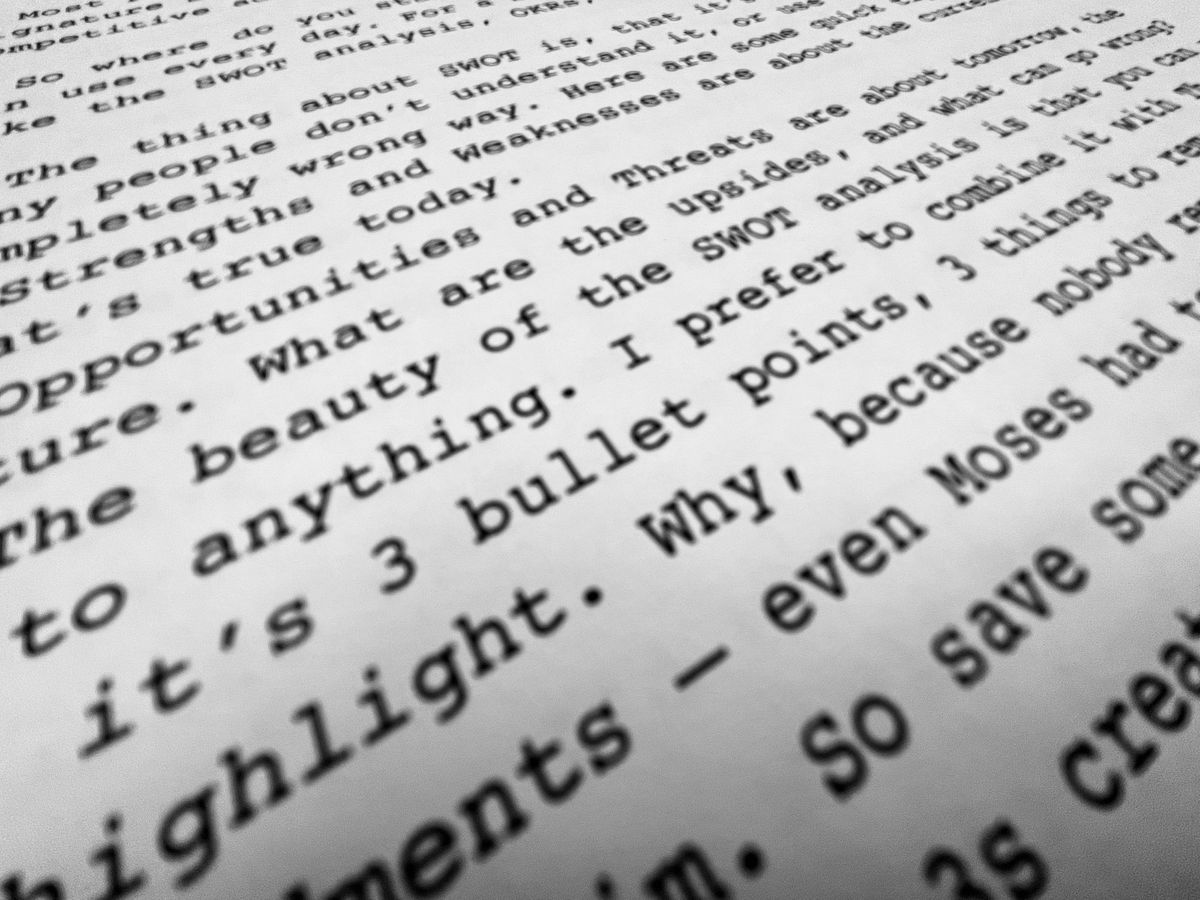
The thing about SWOT is that it’s so simple, yet so many people don’t understand it or use it in a completely wrong way. Here are some quick tips:
- Strengths and Weaknesses are about the current state; what’s true today.
- Opportunities and Threats are about tomorrow, the future. What are the upsides, and what can go wrong?
The beauty of the SWOT analysis is that you can apply it to anything. I prefer to combine it with The Rule of 3s: three bullet points, three things to remember, three things to highlight. Why, because nobody remembers the ten commandments — even Moses had to write them down when God spoke to him. So save some stone and stick to 3.
The Rule of 3s creates constraints because we have to decide what three things are the most important to highlight. And constraints spark thinking, which jumpstarts creativity, and that’s the real magic behind the great ideas and leadership. But don’t tell anyone.
Being a fan of 3s, it was only natural that I came to love the OKRs — Objectives and Key Results. They work best when we have 3 Key Results that are needed to achieve our Objective.
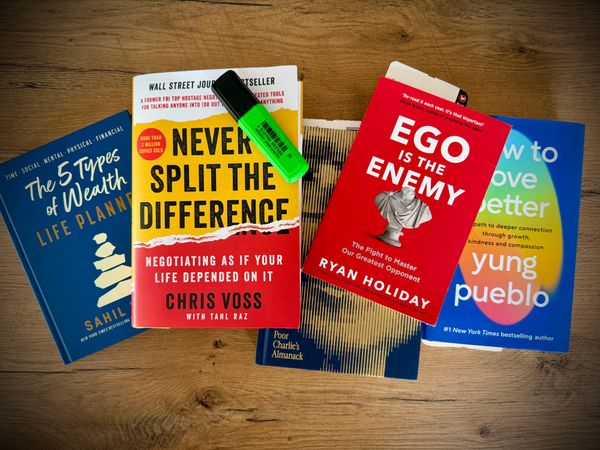
Some people frown upon the managers and leaders who continuously mention their books or philosophies. But that’s missing the point — it’s not about bragging that someone read (or pretends to understand) Sun Tzu; it’s as simple as having a base to fall back on when needed. When we’re in doubt, having some old wisdom from the Bible, The Art of War, Quaran — or whatever is your schtick — might make a difference between doing the easy thing or the right thing. Trust me, having a higher authority to consult in moments of doubt is a superpower.
In my first book, The Elements of Lifestyle, I’ve written about my imaginary Council of Wise Men who are guiding my writing (Seth Godin), sports (Rich Roll), public speaking (Steve Jobs), business excellence (T.J.Watson), finance (Warren Buffet), and philosophical decisions (Seneca). You can band together your own Council; nobody can say No, and they’re working for free.
There are many ways to tackle things, and we all have to put in some effort to figure out what works for us and what doesn’t. But it’s worth having a toolkit as this makes us productive and efficient. Don’t worry about being original; just use what works. And don’t be afraid to discard what doesn’t or switch toolkits for different tasks.
One thing I’d warn you against is focusing on the problems. This world doesn’t need more problem-definers; we need more solution-finders. Your solution-to-problem ratio should be at least 3:1, or you risk becoming known as that person who finds a problem for every solution. Don’t be afraid to produce bad — or even stupid — ideas.
When we generate ideas, we spark this magic that turns us into idea machines, which tends to spin the positive direction — and that’s a definition of an optimist.
Don’t worry if you haven’t found your toolkit yet — just keep searching. Try new ideas, break things, fool around. We have our whole lifetime to build our arsenals, and I’d say you’re on the right way for as long as you are intentional about it. As managers and leaders, we need to build these toolkits, not just for ourselves but for the people we serve. Having a process and a workflow will help us guide others when they need us to step up.
As we’re going about being intentional about building our toolkit and signature style, we’re developing our brand. This should give us the confidence to push our own narrative and help others develop our brand.
+++ what other tools can I mention?
+++ Exercise/toolkit-design guide?
Here's a simple OKR template you can use:

OKR template
Follow the Writing in public progress: